

I have noticed a shift over the last several years in how people think about food.
More people are eating plants. Not everyone is going fully vegetarian, but many are cutting back on meat and paying closer attention to where their food comes from.
A lot of people now call themselves flexitarian. They still eat meat, but less often. Many choose plant based meals a few times a week. Others are growing food at home so they know exactly what they are eating.
That is something I can get behind.
Growing your own food gives you control. It also connects you to what you eat in a way a grocery store never will.
If you are looking to add more protein to your diet, here are ten foods you can grow right in your own garden.
Edamame
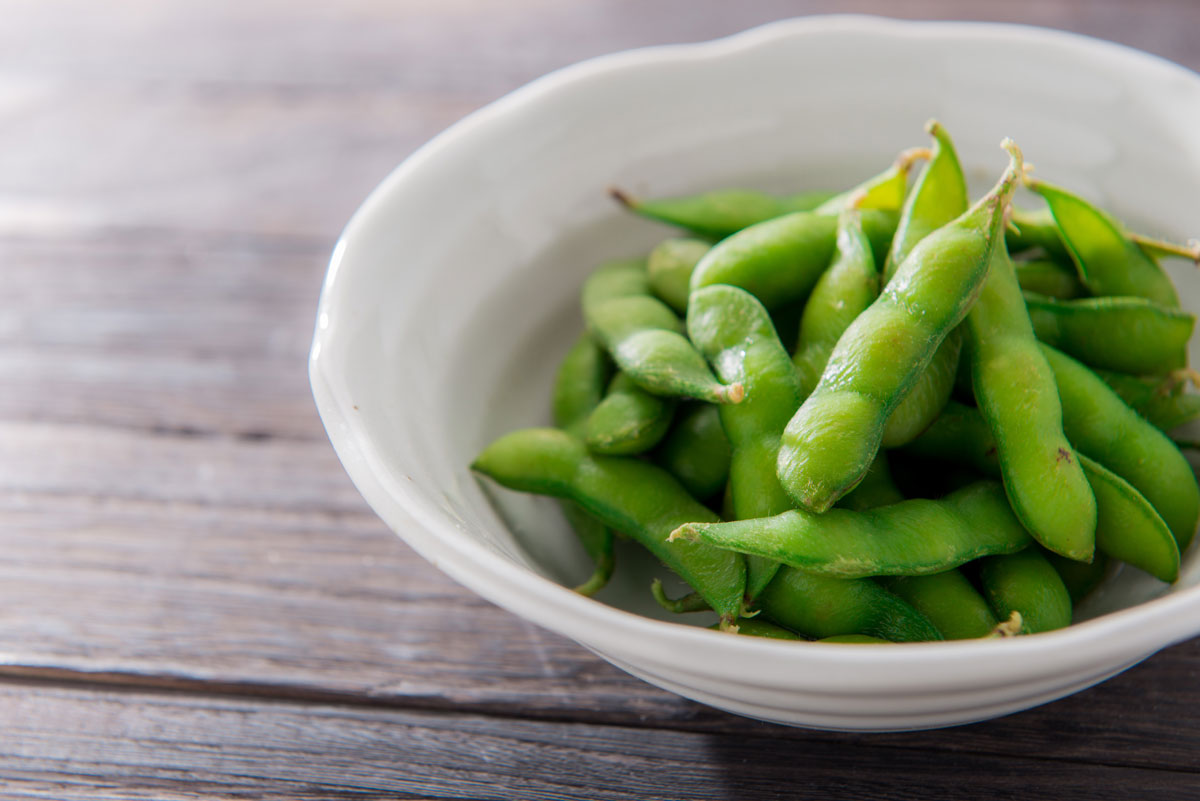
Edamame is young soybeans. They are packed with protein and easy to grow if you have a sunny spot. Harvest them while the pods are still green and tender.
They grow well in raised beds and larger containers.
Peas
Peas are one of the easiest protein rich plants to grow. They like cooler weather and can be planted early in the season.
Snap peas, snow peas, and shelling peas all offer a good protein boost and fresh flavor.
Quinoa
Quinoa takes a little patience, but it is worth it. It grows well in dry conditions and poor soil. The seeds are high in protein and can be stored for later use.
This is a good option for gardeners who want something different.
Broccoli
Broccoli is known for vitamins, but it also contains a solid amount of protein. It grows best in cooler temperatures and does well in both gardens and containers.
Harvesting regularly helps encourage new growth.
Corn
Corn may not seem like a protein source, but it does contribute more than people expect. It also grows fast and is rewarding to harvest.
Corn needs space and sun, so plan accordingly.
Asparagus
Asparagus takes time to establish, but once it does, it produces for years. It is a good source of protein and one of the first vegetables ready in spring.
Think of it as a long term investment.
Spinach
Spinach grows quickly and can be harvested multiple times. It is rich in protein and nutrients and works well in containers and small spaces.
It also grows well in cooler weather.
Kale
Kale is tough, productive, and full of protein. It handles cold well and keeps producing if you harvest leaves regularly.
This is a great plant for beginner gardeners.
Millet
Millet is a grain that grows well in warm weather. It is high in protein and easy to store once harvested.
It is also drought tolerant, which makes it useful in many regions.
Sunflower Seeds
Sunflowers are fun to grow and very productive. Once the flower heads mature, you can harvest seeds that are high in protein and healthy fats.
They also attract pollinators, which helps the rest of your garden.
Growing Protein at Home Made Easier
Starting plants is easier when you use the right tools.
Plantable pots let you start seeds and transplant without disturbing roots. You plant the entire pot and let it break down in the soil.
Our 3 inch round plantable pot works well for seed starting and smaller plants.
https://selfecogarden.com/products/3-round-pot
The 4 inch round pot is a good option for vegetables and larger starts.
https://selfecogarden.com/products/4-round-pot
For growers and gardeners who need more strength, compostable options like the Eco 3.0 Grande pot offer durability while reducing plastic use.
https://selfecogarden.com/products/eco-3-0-grande-pot
Why This Matters
More people want clean food that is grown responsibly. Growing protein rich plants at home is one way to take control of that.
You do not need a large garden. A patio, balcony, or small yard can produce a surprising amount of food.
That trend is not going away. And honestly, I think that is a good thing.
– Danny Mishek
How You Can Use Solar Energy To Improve Your Garden
Why Dirt On My Desk Made My Day!